06/04/2026
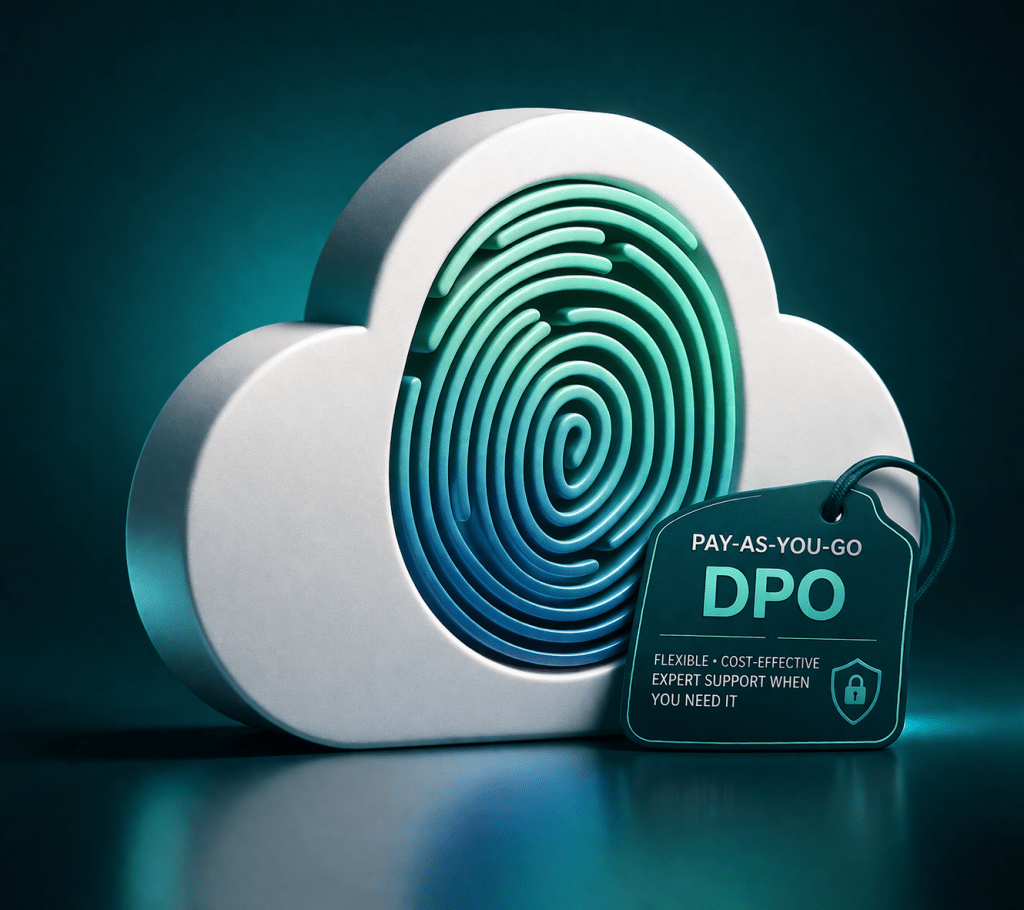
Why a Remote DPO Might Be the Smartest Decision Your Business Makes
Most organisations don’t have a data protection problem.
They have a capacity problem.
They know they should be doing more — DPIAs, privacy notices, training, breach processes — but the reality is:
- no internal expertise
- no time
- and no one actually owning it
So things get done reactively. Or not at all.
That’s where a remote Data Protection Officer (DPO) model changes everything.
💡 You get expertise without the overhead
Hiring a full-time DPO isn’t realistic for most SMEs.
A remote DPO gives you:
- senior-level expertise
- practical, real-world advice
- without the salary, pension and long-term commitment
You’re not paying for “a role”.
You’re paying for outcomes.
⚖️ Independence actually matters
A DPO is supposed to be independent.
That’s difficult to achieve internally, particularly where:
- senior managers want quick decisions
- projects are already underway
- or risk is being downplayed
A remote DPO brings:
- objectivity
- challenge where needed
- and confidence that decisions stand up to scrutiny
Not just internally — but to regulators too.
🚨 Faster response when things go wrong
When a breach happens, time matters.
A remote DPO means:
- you’re not scrambling to figure out what to do
- you already have someone who understands your organisation
- and can step in immediately
That can be the difference between:
- a controlled response
- and a regulatory issue
🧠 Embedded support, not just advice
Good data protection isn’t about policies sitting on a shelf.
It’s about:
- being involved early
- shaping decisions
- spotting risks before they materialise
A remote DPO becomes part of your business:
- attending key meetings
- supporting projects
- guiding teams
Not just turning up after something’s gone wrong.
📉 Cost-effective but not “cheap”
This isn’t about cutting corners.
It’s about:
- investing in the right level of expertise
- at the right time
- in a way that scales with your organisation
You get:
- senior input when you need it
- flexibility as your business grows
- and no wasted resource
🔍 The reality
Regulators don’t expect perfection.
But they do expect:
- accountability
- clear decision-making
- and evidence that you’ve thought things through
A remote DPO helps you demonstrate exactly that.
💬 Final thought
If your current approach to data protection is:
“We know we need to do more, but we’re not sure where to start…”
Then a remote DPO isn’t a luxury.
It’s the structure you’re missing.
📩 Need support?
If you’d like to talk through how a remote DPO model could work for your organisation, get in touch:


Leave a Reply